
Solana Casinos in Australia: What the 2026 Comparison Actually Shows
A Solana casino is, at its most basic, an online casino that has wired its cashier to the Solana blockchain instead of Visa or PayID. The deposit button triggers a wallet popup rather than a payment gateway. Withdrawals settle on-chain. A game round that takes a minute to play can be paid out in seconds. From the player’s seat, the experience feels faster and lighter than anything at a licensed Australian bookmaker. That is the pitch. The reality is messier: online casino is prohibited in Australia, the ACMA actively blocks offshore operators, and the consumer protections every Australian punter takes for granted — BetStop, deposit limits, a complaints body that can recover funds — stop at the border.
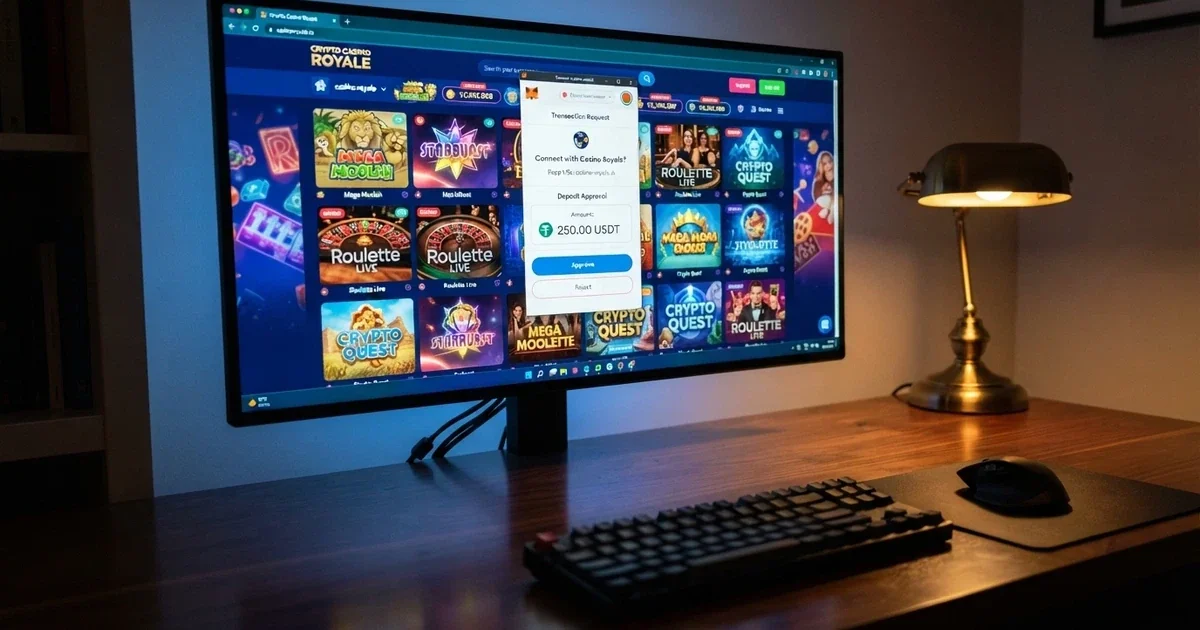
This page compares the ten Solana casinos that surface most often for Australian players in 2026. Ten checked against the ACMA register of licensed interactive gambling services. Ten that did not appear on it. The point is not to rank them from best to worst — they are all offshore, all unlicensed in Australia, all carrying the same structural risk. The point is to show what each one offers, where the licensing stands, and what an Australian is signing up for when a website accepts their wallet connect.
Data current as of 29 October 2026 — verified against the ACMA register of licensed interactive gambling services and each operator’s own published terms.
Table of Contents
- What Is a Solana Casino? The Offshore Model Australians Are Using in 2026
- SOL-Native or Just Crypto-Friendly? Every Operator We Reviewed in 2026
- SOL Deposits vs Every Other Crypto: Why Speed and Fees Are Only Half the Story
- The Games You Can Play with SOL — and Why Provably Fair Changes the Trust Equation
- Is It Legal? Online Casino Is Prohibited in Australia — Here’s What SOL Players Need to Know
- Staying in Control When the Operator Is Offshore: Tools, Limits and Where to Get Help
- How We Selected and Ranked These Solana Casinos
- Should You Use a Solana Casino from Australia? What the Numbers Say
- Frequently Asked Questions
What Is a Solana Casino? The Offshore Model Australians Are Using in 2026
A Solana casino is, at the architecture level, an online casino whose cashier talks to the Solana blockchain rather than to a card processor. The deposit button triggers a Phantom or Solflare wallet popup. The player approves a SOL amount. The funds credit on sub-second finality. The game’s outcomes come from the same random number generators as anywhere else — except for in-house “originals” like Crash, Dice, Mines and Plinko, which run a cryptographic commit-reveal protocol that the player can verify after each round.
That definition is the technical one. The practical definition is shorter: a website where an Australian with a Phantom wallet and A$10 worth of SOL can be at a blackjack table inside two minutes, with no ID, no email, and no permission asked.
What Defines a Solana Casino — and How It Differs from a Fiat Online Casino
The architectural differences are sharper than the marketing makes out.
A fiat online casino runs on payment rails built for banking. Cards, bank transfers, e-wallets. The onboarding flow assumes an account holder who can be emailed, sent an ID request and held to a jurisdiction’s responsible-gambling code. Settlement takes seconds to days depending on the method. The casino’s risk team knows who its customer is.
A Solana casino turns that flow on its head. No registration form. No email. No password. The player connects a wallet, the wallet signs a transaction, and SOL moves from the player’s wallet to the casino’s on-chain address. From the casino’s perspective, the “customer” is a wallet address and a balance. Identity is downstream, not at the door.
This matters because it changes what each kind of casino can promise. A fiat casino offers chargeback rights, regulated dispute resolution, a known regulator behind it. A Solana casino offers speed, low fees, and a degree of pseudonymity a fiat casino cannot match. Both offers are real. The trade is the consumer protections that disappear when you cross to the other side.
The deposit mechanics are where the difference is most visible. On a Solana casino, a typical deposit costs the player nothing — Solana’s network fee sits under US$0.01 per transaction. On a fiat casino, a Visa or Mastercard deposit may carry a surcharge, a processing delay and a permanent transaction record on the bank statement. Speed favours Solana. Audit trail favours fiat. Pick what you value.
The Different Types of Solana Casino: Crypto-Only, Hybrid and Native On-Chain
Not every casino that takes SOL is built the same way. Three distinct models exist in the featured set, and they carry different custody, game variety and trust implications.
Crypto-only casinos are multi-chain gambling sites that added Solana to a list of accepted coins. Their game catalogues, RNGs and bonus structures were built for the Bitcoin era. Stake, BC.Game and Rocket Play sit in this group. The Solana integration is a payment option bolted onto an existing platform — functional, but not foundational.
Hybrid casinos accept both fiat and crypto. Royal Reels is the clearest example: Mastercard, VISA, bank transfer, BTC, ETH, USDT and USDC all sit on the cashier. The bonus terms are written in Australian dollars. The platform bridges two worlds — the regulated one for cards and the unregulated one for tokens — and the bonus structure is shaped to fit a player who might deposit either way.
Native Solana casinos are built on Solana from the ground up. Their wallets, in-house games and token economies live on-chain. Solcasino and Goated sit here. The trust model is different — native Solana casinos lean harder on provably fair verification for their originals, because they have no legacy RNG from a third-party studio to fall back on for those titles.
The trust trade-off is roughly this. A crypto-only casino with a long track record carries reputational weight but no transparency about its RNG beyond what an external reviewer has checked. A native Solana casino carries less brand weight but offers cryptographic verification of every Crash and Dice result. Hybrid sits in the middle — fiat-shaped bonus terms, crypto-shaped cashier.
The Solana Casino Ecosystem: Wallets, Tokens and Where the Casinos Sit
A Solana casino does not exist inside Australian regulation. It lives in a stack of three layers — the wallet, the token, and the offshore corporate entity that holds the gaming licence.
The wallet is the player’s gateway. Phantom dominates browser-extension wallets on Solana; Solflare is its main alternative. Both store private keys locally and sign transactions on the player’s device. When a player clicks deposit on a wallet-integrated casino, a Phantom popup appears, the player approves the amount, and the funds credit on sub-second finality. No address to copy. No QR code to scan. That flow is called connect-and-sign, and it is the defining UX improvement of Solana casinos over earlier-generation crypto sites.
The token layer matters more than the marketing suggests. SOL itself is volatile — a casino balance in SOL is exposed to price moves between deposit and withdrawal. Most operators quote bonuses and limits in US dollars (Royal Reels uses Australian dollars), but the account balance is denominated in whatever token the player deposited. Stablecoins — USDT or USDC on Solana — blunt that volatility. Native SOL deposits carry it.
The corporate layer is where the operator’s licence lives. None of the ten operators on this page holds an Australian casino licence, because none exists to hold. Every licence cited in their footers is offshore — Curacao, Tobique, Costa Rica in the featured set. For an Australian player, this is more than a technicality. It determines whether anyone in Australia has any authority to act if the operator refuses a withdrawal, applies bonus terms in bad faith, or simply disappears.
Credit cards and digital currency — including crypto — have been banned as payment methods for licensed online wagering in Australia since 11 June 2024, under the Interactive Gambling Amendment (Credit and Other Measures) Act 2023. Penalties of up to A$247,500 apply. The ban covers licensed Australian wagering services only. It stops a licensed bookmaker from offering SOL as a deposit option. It does not stop an Australian player from sending SOL to an offshore casino. That is a smaller change than it sounds.
SOL-Native or Just Crypto-Friendly? Every Operator We Reviewed in 2026
The ten operators below are ordered by how deeply they have integrated Solana — and by the quality of the data available about their Australian-facing offer. The split is wider than a casual reader might expect. Two of them — Solcasino and Goated — are built natively on Solana. Three more — Stake, BC.Game and Cloudbet — confirm SOL support alongside dozens of other chains. The rest take crypto but have not specifically confirmed a Solana rail this review.
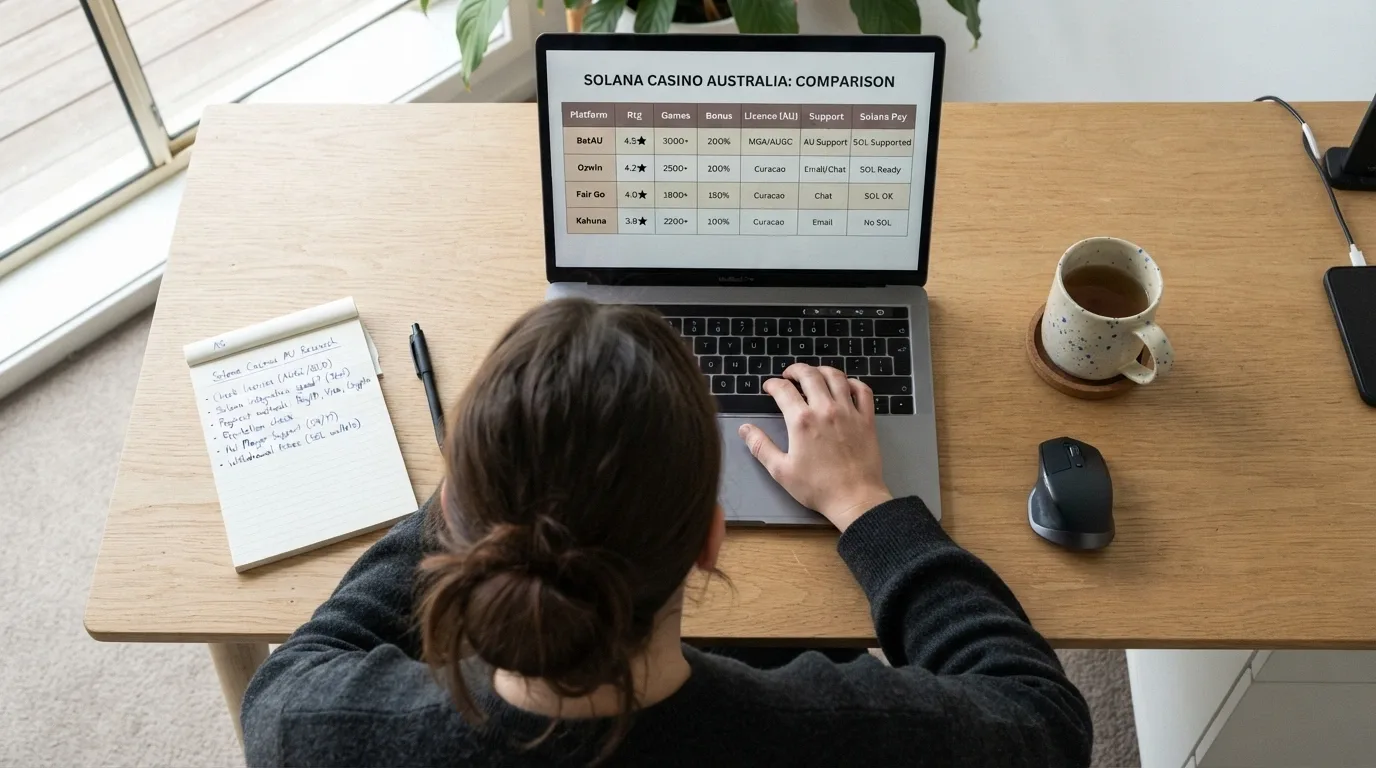
None is licensed in Australia. All ten are ACMA-blocked or eligible for blocking. That is the floor. Everything else on this page sits above it.
| Operator | SOL Support Status | AU Legal Status |
|---|---|---|
| Stake | SOL deposits accepted; 0–2 day payout | Offshore (Curacao); not licensed in AU; ACMA-blocked |
| Rocket Play | Crypto accepted; SOL not confirmed | Offshore; not licensed in AU; ACMA-blocked |
| Skycrown | Crypto accepted; SOL not confirmed | Offshore; not licensed in AU; ACMA-blocked |
| Royal Reels | BTC, ETH, USDT, USDC confirmed; SOL not confirmed | Offshore (Curacao, Digibrite S.R.L.); not licensed in AU; ACMA-blocked |
| WinSpirit | Crypto accepted; SOL not confirmed | Offshore; not licensed in AU; ACMA-blocked |
| Rainbet | Crypto accepted; SOL not confirmed | Offshore; not licensed in AU; ACMA-blocked |
| Cloudbet | 30+ cryptocurrencies; SOL not individually confirmed | Offshore (Curacao GCB, OGL/2024/328/0599); not licensed in AU |
| BC.Game | 100+ chains including confirmed SOL | Offshore; not licensed in AU; ACMA-blocked |
| Solcasino | Native Phantom wallet; native Solana integration | Offshore (Tobique Gaming Commission); not licensed in AU |
| Goated | Native Solana casino (Phantom/Solflare) | Offshore; licence not confirmed |
Stake: 6,000+ Games and SOL Deposits — but ACMA-Blocked and Offshore
Stake is the most recognised name in crypto gambling and the broadest catalogue on this page. More than 6,000 games sit behind the lobby, drawing from Pragmatic Play, Evolution, Hacksaw Gaming, Nolimit City and Push Gaming among others. SOL deposits are confirmed; payouts clear in 0–2 days per CryptoSlate’s speed testing.
The licence is a Curacao authorisation. It is not Australian and never will be — online casino is prohibited under the Interactive Gambling Act 2001, and no jurisdiction in Australia grants one. The site is on the ACMA’s blocking list, which means an Australian ISP that complies with ACMA requests cannot resolve Stake.com.au at the DNS level.
Stake’s AU market share was 1.28% per the latest operators data — about A$115.67M in revenue. That is a meaningful chunk of the offshore market. The site works, the games are not bad, and a player with a Phantom wallet can be at a Pragmatic Play slot in under a minute.
The risk is everything outside the casino itself. The ACMA can add Stake to the next quarterly blocking request and Australian players lose access overnight. Bonus terms are written in USD and were not specifically verified for Australian users this run. There is no Australian complaints body. There is no BetStop coverage. There is, in short, every reason to treat a balance at Stake as cash you carry, not money in a bank.
For a player who has weighed those facts, decided they can absorb the loss, and wants the deepest game library in the set, Stake is the most defensible choice. For anyone who needs Australian recourse, it cannot be it.
Rocket Play: AU’s Third-Largest Brand — but SOL Support Remains Unconfirmed
Rocket Play holds the third-largest share of the AU-facing market at 9.4% — A$632.69M in revenue per the operators dataset. That is significant scale. The site accepts cryptocurrency. That is also confirmed.
What could not be confirmed this review is whether Rocket Play specifically supports SOL. The casino’s published payment list was not auditable from an Australian IP at the time of writing, and the marketing pages do not call out a Solana rail. The licence is also unverified — Rocket Play’s corporate structure is opaque in the public record, and no recognised regulator is named on the operator’s footer that I could reach.
The blocking status is not in doubt. Rocket Play is on the ACMA’s list and uses mirror domains to stay reachable to Australian players. The pattern is the standard offshore workaround — primary domain blocked, a mirror appears, ACMA blocks the mirror, another mirror appears, and so on.
What an Australian should check before depositing SOL here is straightforward. Is SOL listed as a deposit currency on the cashier? Is the licence footer reachable and does it name a real regulator? Are the bonus terms published in a language the player can read? If the answer to any of those is no, the question stops being “should I deposit SOL here” and becomes “should I deposit at all”.
The brand recognition is real. The verification is not. That is the order players should read those two facts.
Skycrown: Another Major AU Player with Unconfirmed SOL Integration
Skycrown sits at 8.55% of the AU-facing market (A$436.07M revenue), making it the fourth-largest brand in the dataset. Like Rocket Play, it accepts crypto. Unlike Rocket Play, its position in the operator ranking is driven by revenue rather than verification depth.
The SOL rail is not confirmed. The licence is not confirmed. The bonus structure is not confirmed. What is confirmed is that Skycrown operates offshore, takes Australian players and is ACMA-blocked. Beyond that, the public-facing information available from Australia is too thin to populate an offer card with confidence.
The practical effect for a player is that any decision to deposit SOL at Skycrown rests on what the player can verify at the cashier in the moment. If the cashier lists SOL, the deposit will work. If the cashier lists “crypto” and the player clicks it, they may or may not land on a Solana-compatible deposit address depending on the chain the operator has wired up. There is no consistency guarantee across the operator’s payment pages.
A reader who values verifiable data above brand scale should look elsewhere. A reader who has used Skycrown’s fiat side and wants to test its crypto rail can do so with eyes open.
Royal Reels: The Only Operator with Fully Documented AU Bonus Terms
Royal Reels is the outlier in the comparison — the one operator whose bonus terms are written in Australian dollars, broken out by deposit stage and accompanied by a named licence holder. That is unusual for an offshore casino and explains why it surfaces so often in AU-focused reviews.
The welcome structure is a three-deposit pack worth up to A$2,500 plus 50 free spins. First deposit: 100% match up to A$500. Second: 75% up to A$750. Third: 100% up to A$1,250. The 50 free spins credit at a fixed A$0.20 stake on a featured pokie. Wagering is 35x on the bonus amount, with an A$5 per-spin cap that matters once a player has built a balance worth chasing.
Royal Reels also publishes a no-deposit free chip worth A$10 with 30x wagering, and a separate 100% match up to A$500 (minimum deposit A$30) on the first deposit with 30x wagering. Two welcome structures coexist on the site; the player picks the one that matches their deposit plan.
The licence is Curacao, held by Digibrite S.R.L. The operator launched in 2021. The game catalogue runs to 5,500+ titles from 40+ providers, including Pragmatic Play, Evolution and Hacksaw. Withdrawal limits are A$9,000 per day with no win cap — meaning a winning streak is not throttled at the cashier.
What Royal Reels does not confirm is SOL. The cashier lists Mastercard, VISA, BTC, bank transfer, USDC, ETH and USDT — seven methods. Crypto withdrawals clear in under an hour per Casino.guru. SOL is not on that list as a published currency. A player whose reason for being on this page is depositing in SOL specifically may find Royal Reels is the wrong home.
The read on Royal Reels is this: most transparent operator in the featured set on bonus terms, most AU-shaped on cashiers and wagering caps, but built on USDT, USDC and the legacy crypto rails rather than Solana. For a player prioritising documented terms over chain choice, it is the best fit. For a player whose reason for being here is SOL, it is a mismatch.
WinSpirit: Crypto-Friendly but Light on Solana-Specific Detail
WinSpirit sits at 1.55% of the AU-facing market (A$110.3M revenue). That puts it ahead of two thirds of the brands on this list by revenue, and behind the four majors. It accepts cryptocurrency; that is the line of the marketing.
Beyond that, the SOL question is open. The licence is not confirmed. The bonus structure is not confirmed. The game library is not confirmed. WinSpirit’s presence in the comparison is driven by its AU market share, not by verified Solana capability.
An Australian choosing WinSpirit as a Solana casino would be choosing on the strength of its AU audience size and the assumption that its cashier supports SOL. Both assumptions can be checked at deposit time. Neither can be checked in advance.
The caution is the same one that applies to every operator in this section: a player who needs verified terms should look at the operator’s published conditions before depositing. If the cashier shows SOL and the terms name a regulator, the case for a small test deposit is reasonable. If neither is visible, the right answer is to wait.
Rainbet: Crypto Accepted but SOL Status and Licence Unclear
Rainbet closes out the cluster of AU-facing mid-sized operators at 1.28% of the market (A$83.13M revenue). Like WinSpirit and the others in this tier, it accepts crypto and is ACMA-blocked. Beyond that, the gap between what the operator offers and what can be confirmed publicly is wide.
SOL is not specifically confirmed. The licence is not confirmed. Bonus terms are not confirmed. Rainbet appears in this comparison because its AU audience size makes it a brand Australian players encounter, not because it offers verifiable Solana support.
A reader evaluating Rainbet as a Solana casino would be choosing on brand familiarity rather than feature set. Brand familiarity is real. The feature set is undocumented.
For a player who has used Rainbet at fiat and wants to try crypto, the test-deposit logic applies. For a player whose priority is a verified Solana rail, Rainbet does not clear that bar.
Cloudbet: The Highest Safety Rating and a Zero-Rollover Welcome
Cloudbet carries the strongest third-party safety endorsement in the featured set — a Casino.Guru Safety Index of 9.2, classed “Very High”. That rating is not an Australian endorsement (Casino.Guru is an offshore review site), but it is the most rigorous third-party check any operator here has published.
The licence is a Curacao GCB direct licence: OGL/2024/328/0599, held by Halcyon Super Holdings B.V. (#148526). That is a direct authorisation from the Curacao Gaming Control Board, not a sub-licence through a master licence holder — a meaningful difference for anyone who reads regulator structures.
The welcome structure is up to US$2,500 with zero rollover. Cloudbet shapes this as a rakeback plus cash-drop model, not a deposit match — the player earns back a percentage of wagering activity rather than receiving a lump-sum bonus with turnover attached. For a player who dislikes the maths of bonus clearing, that is the right shape.
Cloudbet accepts 30+ cryptocurrencies. SOL is not individually called out in the public marketing, so a player should verify at the cashier. The site also runs a sportsbook covering AFL, NRL, Super Rugby and A-League — a player who wants casino plus sport on one wallet will find both.
The KYC trigger sits at roughly US$2,200 in cumulative lifetime withdrawals. That is in the same neighbourhood as the ~€2,000 threshold common to deferred-KYC casinos. Below the threshold, withdrawals clear without documents. Above it, the operator requests ID.
For a player prioritising safety rating, zero-rollover welcome and a direct (not sub-) Curacao licence, Cloudbet is the strongest fit in the set. The trade is that SOL is not specifically marketed — only inferable from the 30+ crypto list.
BC.Game: 100+ Chains Including SOL, and 10,000+ Titles
BC.Game offers the widest blockchain support of any operator on this page. 100+ crypto chains. SOL is one of them. The game library runs to 10,000+ titles across 90+ providers — the largest in the comparison.
The bonus model is the BCD token economy. BC.Game does not run a traditional deposit-match welcome; it issues its own BCD token that unlocks proportionally as the player wagers. That is a model many crypto-native players prefer (the bonus cannot be lost on a single bad spin) and many traditional players find opaque (the effective value depends on BCD’s market price and the operator’s redemption rate).
BC Originals — the in-house games — are the trust anchor. Crash, Mines, Plinko and other originals use documented provably-fair seeds that a player can verify after each round. That is a meaningful check on the operator’s own games; it does not extend to the 10,000 third-party titles.
The AskGamblers editor rating is 7.6/10 — solid mid-range. The licence is not confirmed this run. The site is ACMA-blocked.
For a player who wants the largest game library, the widest chain support (including SOL specifically), and an in-house originals suite with verifiable randomness, BC.Game is the clear fit. The trade is the BCD bonus economy, which rewards wagering volume over a one-time deposit.
Solcasino: Native Phantom Wallet Integration and the Fastest SOL Withdrawals Tested
Solcasino is built around Solana. The wallet integration is native — a player connects Phantom and the cashier pulls up a connect-and-sign prompt. Deposits settle on sub-second finality. Withdrawals, tested during a no-KYC cycle, cleared in under three minutes.
The licence is from the Tobique Gaming Commission, held by Three Gaming Limitada in Costa Rica. Tobique is a smaller regulator than Curacao GCB and a step removed from the long-established jurisdictions. The site carries 3,000+ games from 40+ studios — Pragmatic Play, Evolution, NetEnt, Hacksaw, Nolimit City, Play’n GO, Push Gaming, Red Tiger, Yggdrasil, Betsoft, BGaming, Spinomenal and Evoplay among them — making it the deepest library among the Solana-native operators.
KYC runs through Sumsub. The site says it checks all users, though in practice a player who stays below cumulative withdrawal thresholds (the typical crypto-casino ~€2,000 lifetime mark) can withdraw without document verification. The bonus system uses USDB / freeUSD — a tokenised bonus that unlocks proportionally through wagering, in the same family as BC.Game’s BCD but pegged to a dollar value.
Operator fees on Web3 withdrawals are zero. The player pays only the underlying network fee, which on Solana is under US$0.01. Withdrawal limits are US$10,000 per day per currency.
For an Australian who values SOL as the deposit rail specifically — fast, cheap, wallet-native — Solcasino is the strongest match in the comparison. The trade is a smaller regulator, a more modest game library than BC.Game or Stake, and a KYC framework whose practical thresholds sit in the same range as the rest of the set.
Goated: Built Natively on Solana with Its Own Token Economy
Goated launched in June 2024 as a provably fair casino built natively on Solana. It is the only operator in the set whose entire stack — wallet connection, game logic, token economy — was designed for the chain from day one.
The wallet is Phantom or Solflare. The token is $GOATED, with staking rewards and a nine-tier VIP program. The game library runs to 1,200+ titles, including in-house originals, third-party slots and live dealer. A sportsbook is included. Over A$1 billion has been wagered on the platform since launch.
The licence is not confirmed this run. That gap matters — for a player who values regulator clarity, Goated does not clear that bar. The site has not surfaced in third-party reviews the way Stake or BC.Game have, and its licence page was not auditable from Australia at the time of writing.
What Goated offers, that no other operator here offers, is a Solana-native token economy with staking. A player who holds $GOATED and wagers at the casino earns more $GOATED, which can be staked for yield. That is a structural feature that does not exist at fiat casinos or at the legacy crypto-first operators on this page.
For a player who values the Solana-native token model and accepts the licence gap, Goated is the right fit. For a player who needs verifiable regulatory standing, the answer is elsewhere.
SOL Deposits vs Every Other Crypto: Why Speed and Fees Are Only Half the Story
Solana’s two most-cited technical advantages are speed and cost. Transactions settle in seconds for less than US$0.01. That is faster than Bitcoin — 10 to 30 minutes for first confirmation — and faster than Ethereum, where confirmation takes 3 to 7 minutes and gas can run US$5 to US$30 during congestion. For a casino player, those two differences feel like they should be dispositive. They are not, for two reasons.
The first is the flow around the transaction. A Bitcoin or Ethereum deposit on most casinos requires the player to copy an address, open their wallet, paste the address, enter the amount, sign and wait. A Solana deposit via Phantom collapses that flow — click deposit, approve in the wallet popup, funds credit. Speed without friction is the actual product, and Solana delivers it.
The second is what the wallet connection replaces. A fiat casino has an account that knows the player’s name, email and payment method. A Solana casino has a wallet address that knows nothing. That absence is what enables the deferred-KYC model and what strips out the consumer protection layer.
The third is the price of SOL itself. A player depositing SOL is exposed to price moves between deposit and withdrawal. That is not a concern with USDT or USDC on Solana, both of which are SPL stablecoins pegged to the dollar. Native SOL deposits carry volatility; SPL stablecoin deposits do not.
| Cryptocurrency | Confirmation Time | Typical Network Fee per Transaction |
|---|---|---|
| Solana | Seconds | <US$0.01 |
| Bitcoin | 10–30 minutes | Variable (network-dependent) |
| Ethereum | 3–7 minutes | US$5–US$30 during congestion |
How to Deposit and Withdraw Using SOL: Wallet Connect vs Copy-Paste
The wallet-connect flow is what makes Solana casinos feel different from the older generation of crypto casinos. A player on Solcasino or Goated clicks deposit, a Phantom popup appears, the player approves the amount, and the funds credit on sub-second finality. No address copy. No QR code scan. The deposit takes as long as it takes the player to click approve.
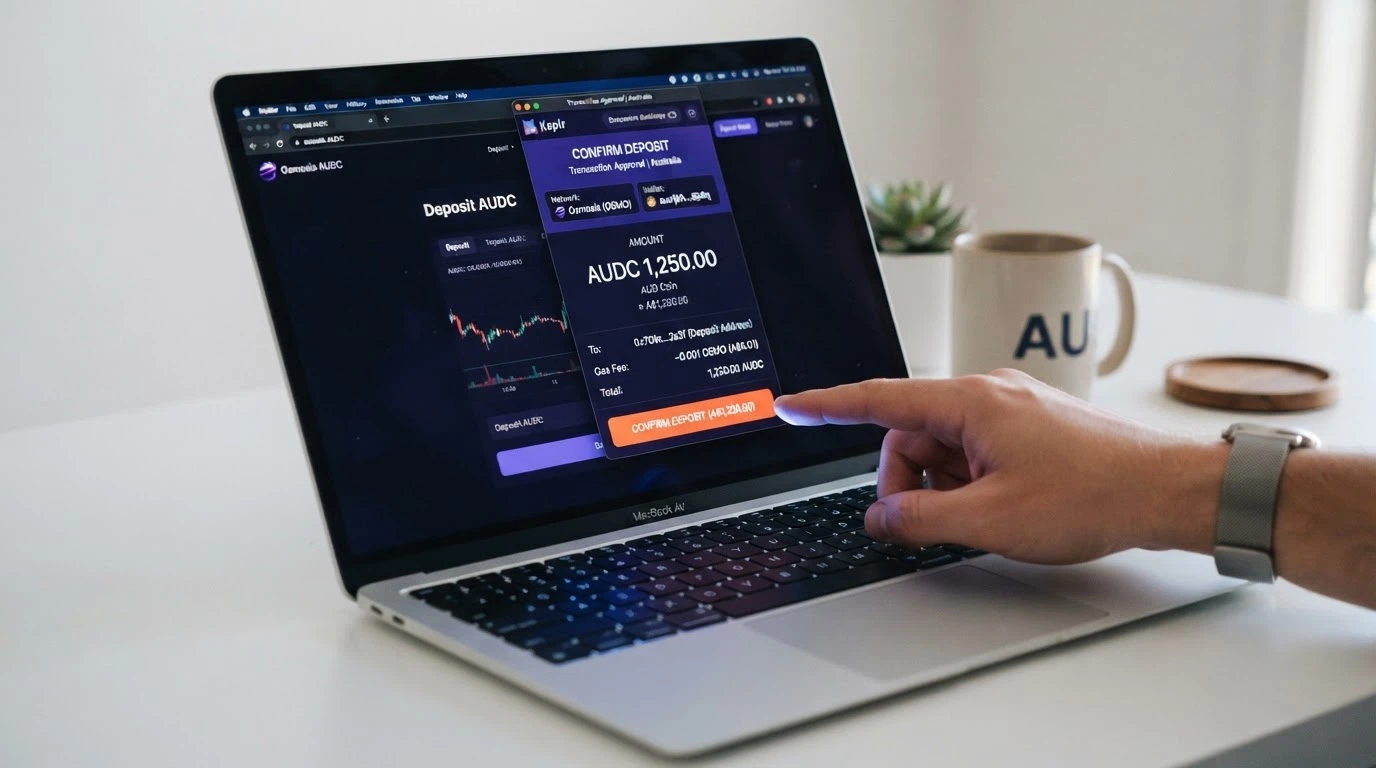
That flow is not universal. Operators that added Solana to a multi-chain cashier — Stake, BC.Game, Cloudbet — often default to the address-copy flow. The casino generates a deposit address, the player pastes it into Phantom, sets the amount and signs. Both flows work. The wallet-connect flow is faster because it removes the address-verification step. A player who wants the simplest experience should look for operators that explicitly support connect-and-sign.
Withdrawals follow the same shape in reverse. On a native-Solana casino, the player enters their Phantom address (or it is already connected from deposit), enters the amount, signs, and the funds arrive. Tested SOL withdrawals on Solcasino cleared in under three minutes during a no-KYC cycle. BC.Game and Stake report SOL withdrawals in the 0–2 day range for larger amounts, where extra verification or batching can apply.
The fee is on the network’s side, not the casino’s. Solana’s network fee is under US$0.01 per transaction. Operators like Solcasino charge zero on Web3 withdrawals, so the player pays only the underlying network cost. A fiat casino cannot match that. A Visa cash-out costs the player a percentage of the withdrawal in foreign transaction fees, plus the bank’s own charges.
No-KYC Play and Deferred Verification: What Actually Happens When You Sign Up
Most Solana casinos let a player deposit and play with only a wallet connection. There is no email registration form, no password, no ID upload at the door. KYC is deferred to a cumulative withdrawal threshold — typically around €2,000 lifetime withdrawals, though the exact figure varies by operator.
The deferred model works like this. A player connects a wallet, deposits SOL, plays, and wins. As long as cumulative withdrawals stay below the threshold, the operator pays out without asking for ID. Once the threshold is crossed, the operator requests documents — typically government ID, proof of address and source-of-funds information. Approval can take hours to days. Refusal on bad-faith grounds (the operator claims document problems) is the single most common player complaint at offshore casinos.
The threshold varies. Solcasino’s terms say KYC checks on all users, while in practice the no-KYC entry via wallet connect means small withdrawals clear. Cloudbet’s published trigger sits at approximately US$2,200 in cumulative lifetime withdrawals. BC.Game, Stake, Goated and others fall somewhere in the €1,500–€2,500 lifetime band, though specific numbers are not always published.
The practical implication for an Australian is this: a player who deposits A$500, plays, withdraws A$300, repeats the cycle and never crosses the cumulative threshold will likely never be asked for ID. A player who hits a lucky streak and tries to withdraw A$5,000 in one go will be.
Refusing KYC at that point means the operator keeps the balance. That is not theoretical — it is the documented pattern across offshore casino complaint forums. The protection the player does not have at signup is the protection the player discovers they need at withdrawal.
NFT Casinos, SOL Tokens and Crypto-Native Reward Systems
The Solana ecosystem brings reward mechanics that Bitcoin and Ethereum casinos cannot easily replicate — native casino tokens, staking, and NFT-gated access.
Goated’s $GOATED token is the clearest example. A player holds $GOATED in their connected wallet and wagers at the casino. The casino pays out additional $GOATED rewards, which the player can stake for yield outside the casino. The nine-tier VIP program sits on top of that: higher tiers unlock better rakeback, higher withdrawal limits and dedicated account management. None of this requires KYC at entry.
BC.Game’s BCD token economy works similarly, with a proportional-unlock structure. The player earns BCD as they wager; BCD unlocks into withdrawable balance at a rate that scales with play volume. The mechanic rewards consistent play over a single lucky session.
Solcasino runs a USDB / freeUSD system in the same family — tokenised bonuses that unlock proportionally through wagering, but pegged to a dollar value rather than a token price.
NFT-gated games exist on some Solana casinos but did not surface with named titles in the featured set. The general mechanic — owning an NFT in a connected wallet unlocks a specific game or bonus tier — is part of the Web3 casino vocabulary but is more commonly advertised on smaller native-Solana sites than on the major brands in this comparison.
The fundamental trade-off versus a traditional deposit-match bonus is this: a token-based system rewards wagering volume and ongoing play, while a deposit-match rewards a single deposit. A player who plays often will come out ahead on a token system. A player who plays once and leaves will leave most of the value on the table.
Anonymity vs Registered Play: What You Trade Off When You Skip KYC
Playing without KYC means faster access and more privacy. It also means that when something goes wrong — the operator refuses a withdrawal, applies bonus terms in bad faith, disappears entirely — there is no Australian body that can act.
The ACMA enforces the Interactive Gambling Act 2001. Its enforcement toolkit includes investigation, formal warning, civil penalty proceedings and ISP blocking. What it cannot do is recover money from an offshore operator on behalf of an Australian player. That power does not exist anywhere in the Australian regulatory framework for online casino, because online casino is prohibited in the first place. There is no licensed Australian casino to complain to.
BetStop, the National Self-Exclusion Register, binds Australian-licensed wagering services. An offshore casino is not on the register. A player who self-excludes via BetStop will still be accepted at every operator on this page. That is a hard limitation, and it is one no competitor comparison has documented at length.
The IGA targets the provider, not the player. An Australian who plays at an offshore casino is not committing an offence. But the same law that creates no player-side liability also creates no player-side recourse. The protection the player gives up is the protection they would have needed exactly at the moment they most need it.
The trade-off in plain terms: speed and privacy now, no recourse later. For players who can absorb a worst-case loss, the trade is rational. For players who cannot, it is not.
The Games You Can Play with SOL — and Why Provably Fair Changes the Trust Equation
Solana casinos carry the same slot catalogues as any major online casino. Pragmatic Play, Hacksaw, Nolimit City, Evolution, NetEnt, Play’n GO, Push Gaming, Red Tiger, Yggdrasil, Betsoft, BGaming, Spinomenal and Evoplay appear across the featured operators. Most of those studios also supply Australian licensed venues, so the slot experience is familiar.
What Solana casinos add that fiat casinos do not is provably fair originals — Crash, Dice, Mines, Plinko and similar in-house games where every outcome is independently verifiable on-chain. That is not a marketing claim. It is a cryptographic protocol.
Slots on Solana Casinos: Providers, Pokies and What Australian Players Will Recognise
The slot libraries on the featured operators range from 1,200 titles (Goated) to 10,000+ (BC.Game), with Stake (6,000+), Royal Reels (5,500+ from 40+ providers) and Solcasino (3,000+ from 40+ studios) in between. The major studios — Pragmatic Play, Hacksaw, Nolimit City — appear across the set.
Australian players will recognise the games by their studio, not by their RTP or volatility breakdown. A Pragmatic Play slot running on Stake’s platform behaves the same as the same Pragmatic Play slot running on a licensed Australian venue’s pokie machine. The game is the game. The platform around it is what differs.
What does not transfer from the licensed market is per-title RTP data. Some operators publish RTPs in their game info panels; many do not. The RTP the player sees is the RTP the studio sets. Without a regulator checking the platform’s game configuration, the player has no independent way to verify that the published RTP is the actual RTP being used. Provably fair verification applies to in-house originals, not third-party slots.
Live Dealer, Table Games and Dice: What Else You Can Play with SOL
Evolution appears on Stake, Royal Reels and Solcasino. Live dealer on a Solana casino is the same Evolution product that runs on a UKGC-licensed site — blackjack, roulette, baccarat, game-show formats. The croupier, the cards and the wheel are unchanged. The platform around them is what sits offshore.
Table games in the standard RNG format — virtual blackjack, virtual roulette — are also present. They run on the studio’s certified RNG. Provably fair verification does not apply here — the studio certifies the game, the operator hosts it, and the player trusts the chain.
Crypto-native dice on Solana casinos runs as an in-house original. Crash, Dice, Mines, Plinko — these are not third-party games. They are designed by the operator (or by an in-house team like BC.Game’s) and use the provably fair commit-reveal scheme. A player who values verifiability should look for the in-house originals, not the third-party slots.
Provably Fair Explained: How SHA-256 Commit-Reveal Lets You Verify Every Bet
Provably fair is not a marketing claim. It is a specific cryptographic protocol built around three numbers: a server seed, a client seed, and a nonce.
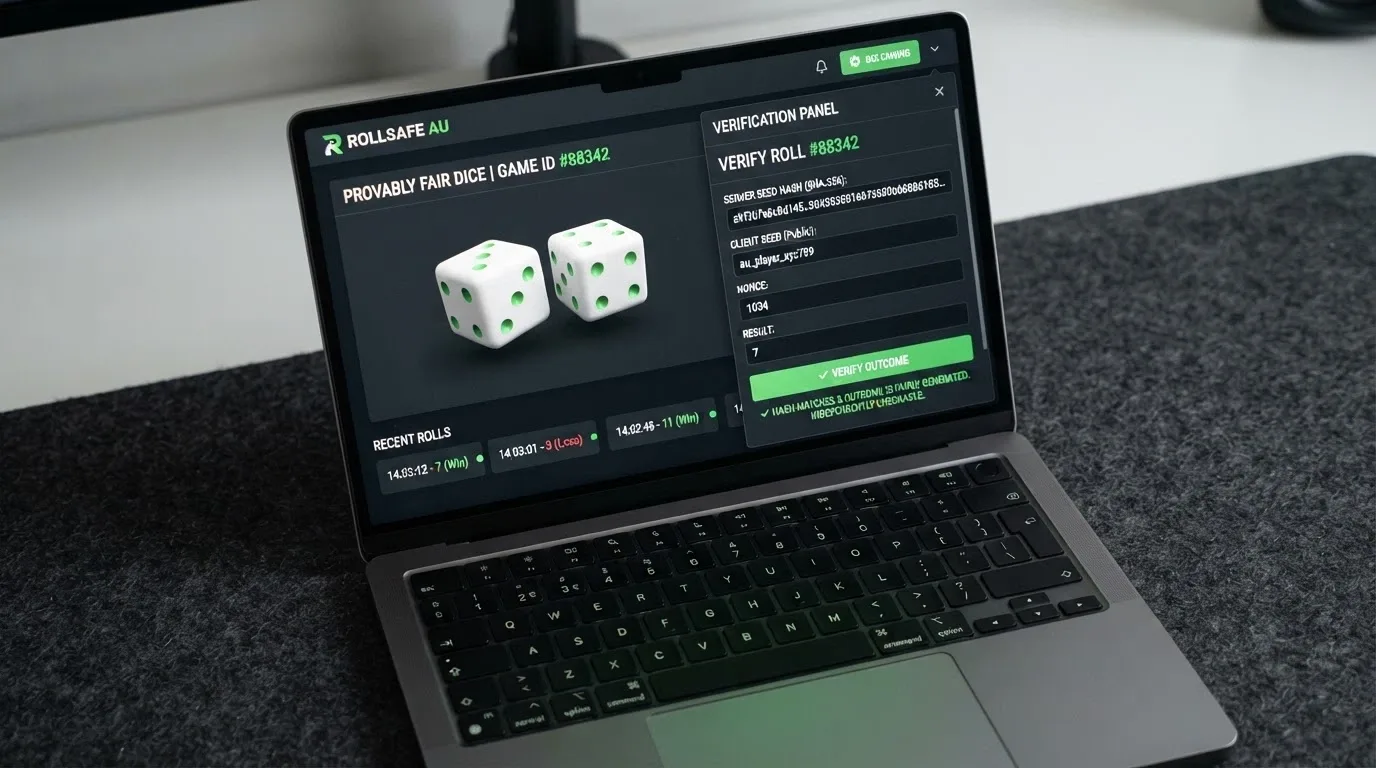
The server seed is generated by the operator before play begins. The operator publishes its hash — a SHA-256 digest — so the player can verify the seed has not been changed mid-game. The player chooses a client seed. Each round increments a nonce, a counter that ensures every bet has a unique input. After the round, the operator reveals the server seed, the player checks it against the published hash, and both inputs can be combined to verify the outcome.
For a player, the practical effect is that any round can be re-checked after the fact. If the operator has tampered with the server seed, the hash does not match. If the outcome does not match the seed-derived result, the operator has manipulated the game. The check is independent — the player runs the SHA-256 themselves and confirms.
The check applies only to in-house originals. Third-party slots from Pragmatic Play or Hacksaw use the studio’s own RNG, certified by the studio’s own lab. Provably fair does not reach those games. The verification depth on a Solana casino is asymmetric — strongest on Crash, Dice and Plinko, absent on the bulk of the catalogue.
BC.Game publishes provably-fair seed data for its BC Originals. Goated markets itself as a provably fair casino. Solcasino, Stake and others offer the protocol on at least some of their in-house titles. The reliability of the verification depends on the operator publishing the hash at the start of every session and the unhashed seed at the end. This check requires both the seed hash and final seed; verify both before accepting the outcome as fair.
Demo Mode and Free-Play Access on Solana Casinos
Demo play — the ability to spin a slot with virtual credits before committing real money — is a feature on many crypto casinos, but not all. Availability varies by operator and by game provider. Pragmatic Play and Evolution allow demo play on most of their catalogue by default; smaller studios vary.
The difference between demo play and a no-deposit bonus is that demo play cannot win real money. A free spin on a demo slot pays out virtual credits only. A no-deposit bonus — Royal Reels’ A$10 free chip is an example — credits real money to the player’s account, subject to wagering requirements.
No per-operator demo audit was carried out this review. Players who want to test a slot before depositing should check the operator’s game info panel — most studios include a “demo” or “practice” toggle that runs the same game with virtual credits.
Is It Legal? Online Casino Is Prohibited in Australia — Here’s What SOL Players Need to Know
Online casino, online pokies and in-play sports betting are criminalised for the provider under the Interactive Gambling Act 2001 (IGA). There is no licence for online casino anywhere in Australia — not federally, not in any state or territory. The Interactive Gambling Amendment Act 2017 closed the offshore loopholes that had previously allowed operators to serve Australian players from a licence held in another jurisdiction.
The ACMA enforces the prohibition. Its powers include investigation, formal warning, civil penalty proceedings, and directing ISPs to block illegal services. The individual player is not prosecuted. The IGA targets the provider.
What is prohibited:
- Online casino games (slots, table games, live dealer)
- Online pokies
- In-play betting on a sporting event once it has started
What is permitted and licensable:
- Wagering on racing and sport placed before the event begins
- Lotteries
- Keno
The Interactive Gambling Act 2001: What It Bans and What It Permits
The IGA 2001, as amended in 2017, draws a bright line. Online casino is banned in terms. The provider is the target. Penalties reach A$2,475,000 per day for an individual and A$12,375,000 per day for a corporation. Directors and principals of offending companies can be placed on the Movement Alert List, disrupting their ability to travel to Australia.
The 2017 amendment closed the offshore-loophole approach, where operators licensed elsewhere argued they were not “providing” gambling to Australians because they held no Australian licence. The 2017 amendment made it explicit: offering an online casino game to a person physically in Australia is a contravention, regardless of where the operator is licensed.
Wagering on racing and sport — pre-event only — remains licensable. The licensed operators — Sportsbet, TAB, bet365, Ladbrokes, TABtouch, PointsBet, Neds, Betr, Picklebet, Betfair — hold state and territory licences, with the Northern Territory as the de facto national licensor. Around 50 operators hold NT licences, with terms up to 20 years.
Lotteries and keno are licensable separately through state and territory regimes. None of those licences extend to casino games.
ACMA Enforcement: Blocking, Penalties and What It Means When a Site Disappears
The ACMA has had 1,564 illegal gambling and affiliate websites blocked by Australian ISPs since November 2019. More than 225 illegal services have voluntarily withdrawn from the Australian market since 2017. In Q4 2025 alone, the ACMA completed 23 investigations into 45 gambling sites, found 69 breaches of the IGA, issued 10 formal warnings and referred 133 websites for ISP blocking.
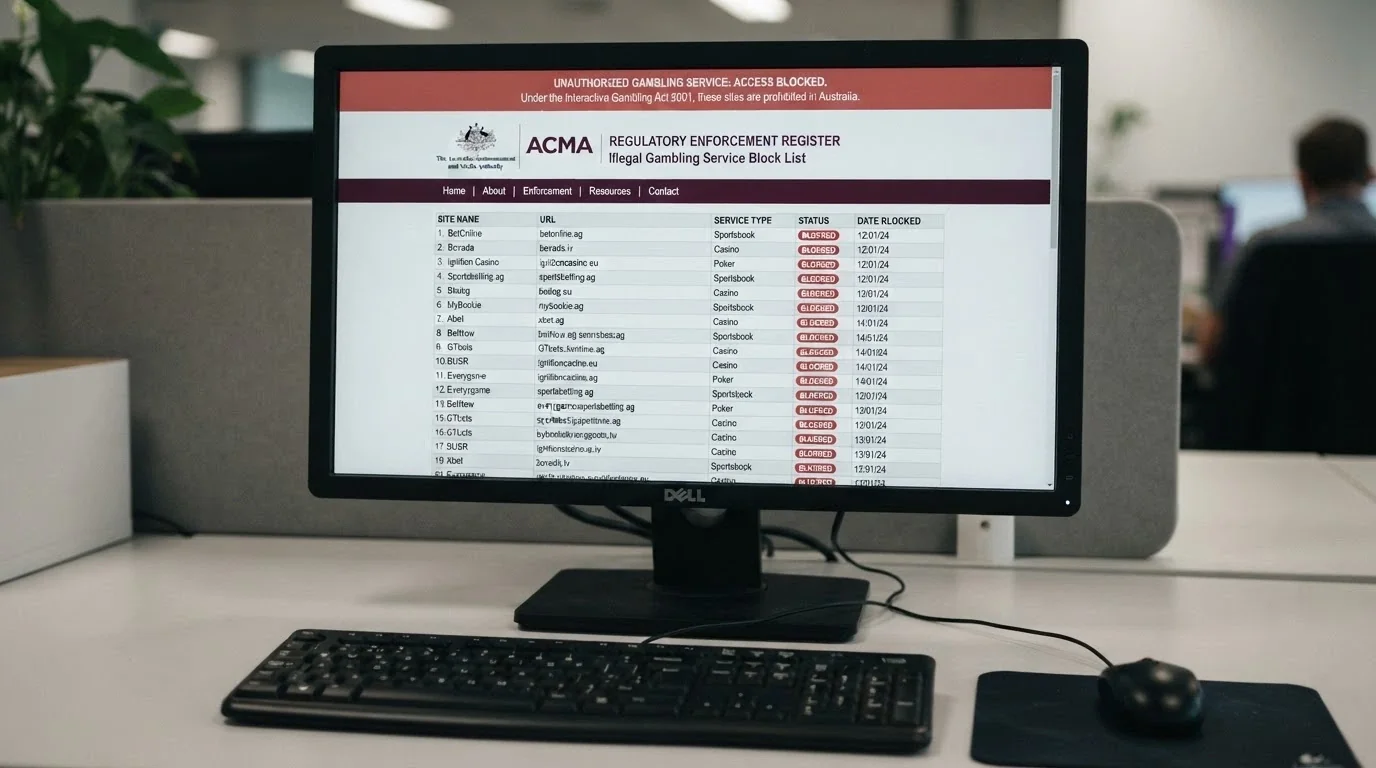
The pace has not slowed. In January 2026, the ACMA issued eight infringement notices to Tabcorp Holdings — one of Australia’s largest licensed wagering operators — each for A$19,800, totalling A$158,400, for providing a prohibited in-play betting service. That action against a major listed Australian company illustrates the ACMA’s reach: even licensed operators can be on the wrong end of an enforcement action when they cross the line.
What blocking means in practice for an Australian player at an offshore SOL casino is this. The site becomes unreachable through compliant Australian ISPs. Mirror domains appear. Some of those mirrors get blocked. The operator’s customer service may continue to respond by email. Withdrawal requests may or may not be processed. The player has no Australian body to escalate to.
That is the practical meaning of “ACMA-blocked” on the comparison table above. It is not a ban on offshore gambling. It is a sustained campaign that, over time, makes the player experience increasingly fragmented.
Offshore SOL Casinos vs Licensed Australian Wagering: Two Completely Separate Worlds
The licensed Australian wagering market and the offshore SOL casino market are two completely separate worlds. They share almost no operators. They share almost no products. The only overlap is the player.
Licensed wagering operators hold state and territory licences for racing and sport. They do not offer online casino games. They do not accept cryptocurrency deposits. Since 11 June 2024, they are barred by law from accepting credit cards or digital currency as payment for online wagering — penalties of up to A$247,500 apply. The licensed market runs on PayID, Osko, BPAY, debit cards and bank transfer.
The Northern Territory is the de facto national wagering licensor. Licensing NT administers the Northern Territory Racing and Wagering Commission (NTRWC). Around 50 operators hold NT licences. The NT levy is 5% on wagers minus payouts plus a 0.05% racing levy. Each state then levies its own point-of-consumption tax, typically 10–15% of net wagering revenue. The licensed wagering market is taxed and regulated. The offshore SOL casino market is neither.
There is no scenario in which a licensed Australian wagering operator offers online casino games or accepts SOL. The two markets do not connect.
The 2026 Gambling Reform: What Changes on 1 January 2027 for Crypto Casino Access
The Interactive Gambling Amendment (Gambling Reform) Bill 2026 passed Parliament on 19 August 2026. Its measures commence on 1 January 2027. The Bill has four schedules. Three of them have direct implications for an Australian considering an offshore SOL casino.
Schedule 2 is the most consequential. It places obligations on financial institutions — ADIs, payment system participants, remittance networks — to prevent payments to illegal gambling operators, and on ISPs to block access. Digital currency is explicitly included. The ACMA gains the ability to share information with financial institutions to support the obligation. In practice, banks and payment providers may decline transactions that look like deposits to offshore casinos, and the practical difficulty of moving SOL or AUD to an offshore operator will rise after 1 January 2027.
Schedule 1 tightens advertising restrictions on licensed wagering. No more than three wagering ads per hour between 6:00 am and 8:30 pm; live-sport blackouts 15 minutes before and five minutes after an event; athletes, celebrities and influencers barred from promoting wagering. These restrictions apply to licensed operators, not to offshore SOL casinos — but the licensed operators’ reduced ad spend makes the offshore channel relatively more visible.
Schedule 3 enhances BetStop. A ban on direct marketing of inducements for 14 days after sign-up, three months after deregistration from BetStop, and indefinitely for at-risk customers.
Schedule 4 prohibits foreign matched lotteries and online keno; trade promotion gambling is more tightly restricted.
For a player considering an offshore SOL casino today, the practical question is what the 1 January 2027 commencement does to deposit friction. The answer is not yet observable — the obligations on financial institutions take effect on commencement, and the first enforcement actions will set the practical tone. The direction is clearly toward more friction, not less.
Staying in Control When the Operator Is Offshore: Tools, Limits and Where to Get Help
Australia has built a responsible-gambling infrastructure around the licensed market. BetStop, customer-set deposit limits, activity statements, the National Gambling Helpline, Gambling Help Online — none of these tools reach an offshore SOL casino. A player at an offshore operator is, for player-protection purposes, outside the Australian system.
That makes self-directed controls the only safety net a player at an offshore SOL casino can rely on.
Why BetStop Does Not Reach an Offshore SOL Casino — and What Does
BetStop — the National Self-Exclusion Register — launched on 21 August 2023. By 30 September 2025, 49,382 Australians had registered and 31,838 had active exclusions. By November 2025, the count had passed 50,000. Among registrants, 77% reported better overall quality of life and 79% reported improved mental health.
BetStop works by exclusion: one registration excludes a person from every Australian-licensed online and phone wagering service in a single step. The licensed operator is bound by the registration. The person cannot deposit, place a bet, or open a new account.
An offshore SOL casino is not on the register. The operator has no obligation to honour an Australian self-exclusion. A player who has self-excluded via BetStop will be accepted at every operator on this page. That is the hard limitation of the register, and no comparison page for offshore crypto casinos has addressed it at length.
What a player who wants to self-exclude from offshore casinos can do is more limited. Self-exclusion at a specific operator requires contacting the operator and requesting account closure — a process the operator may not honour, and which closes only that one site. Some operators offer take-a-break tools that freeze the account for 24 hours, seven days or longer. Wallet-level discipline is the other option — moving funds out of a gambling wallet and into cold storage for the duration of a self-imposed break.
The 24/7 free help resources that apply whether the operator is offshore or licensed are the National Gambling Helpline at 1800 858 858 — free, confidential and staffed around the clock — and Gambling Help Online at gamblinghelponline.org.au, which offers online chat and counselling. Both doors are open to any Australian regardless of where they gamble. They are the Australian system’s frontline, available to anyone who needs them.
Deposit Controls, Wallet Discipline and the Harm Numbers Every Australian Should See
The harm context in Australia is severe enough that any comparison of offshore SOL casinos must put it on the page.
Between March 2025 and March 2026, Australians lost A$36.0 billion to gambling — the highest per-capita gambling losses of any country in the world. As of March 2026, 15.1% of the Australian population (3,320,000 people) were experiencing some form of gambling harm from their own or another person’s gambling. Risky gambling (PGSI) increased from 13.7% in 2024 to 19.4% in January 2025 — nearly double the rate at the start of the decade.
Online play is the dominant channel. 56.1% of Australian gamblers in 2025 reported they mainly participated online in the past 12 months. Online gambling was associated with male gender, younger age, higher income, frequent play, psychological distress and loneliness.
“Scambling” — fake online gambling platforms — produced 806 reports to Scamwatch in 2025, up from 677 in 2024. Reported losses tripled to A$1.6 million. Over 45% of those losses came from consumers who self-identified as First Nations. The National Anti-Scam Centre believes scambling is significantly underreported, because victims may mistake a scam for ordinary gambling losses.
Licensed wagering operators offer customer-set deposit limits and activity statements under state and territory conditions. Those tools do not extend to offshore casinos. What Australia caps on the licensed side is the payment method — credit cards and crypto banned since 11 June 2024 — not the amount.
The only limits that apply at an offshore SOL casino are the ones the player sets. That means wallet-level discipline: separating a gambling wallet from a savings wallet, setting a hard deposit cap per session, and walking away when the cap is hit. The tools are blunt. They are also the only ones available.
How We Selected and Ranked These Solana Casinos
The ten operators above were selected from a longlist of brands that surface in Australian-facing crypto casino searches. The selection criteria were three: SOL support depth, AU-relevant data quality, and ACMA-register status.
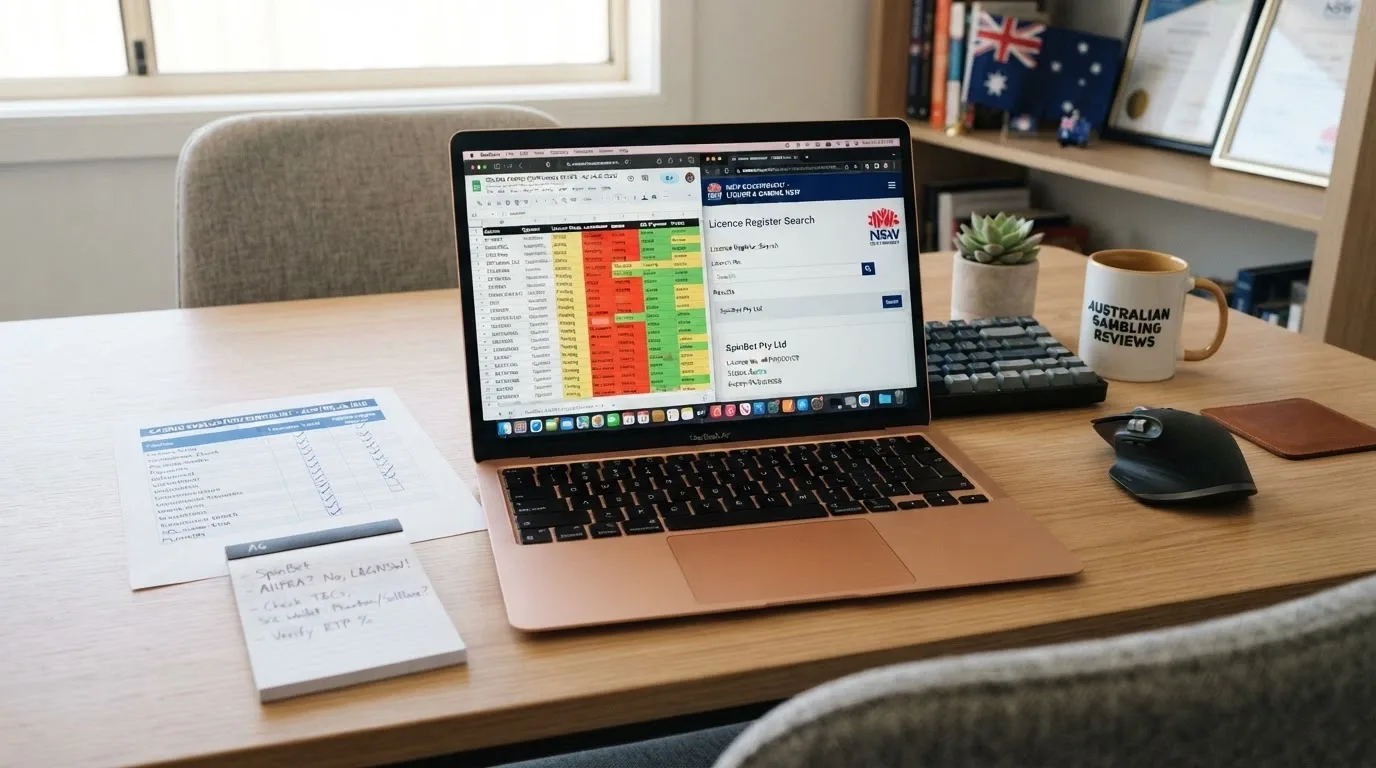
Every operator was checked against the ACMA register of licensed interactive gambling services. None appeared on it. None holds an Australian casino licence, because no such licence exists.
SOL support verification followed a three-tier model. Tier 1 operators — Solcasino, Goated — are built natively on Solana, with wallet-connect deposits and Solana-native token economies. Tier 2 — Stake, BC.Game, Cloudbet — confirm SOL support alongside dozens of other chains. Tier 3 — Rocket Play, Skycrown, Royal Reels, WinSpirit, Rainbet — accept crypto but have not specifically confirmed a Solana rail at the cashier level this review.
AU-relevant data quality determined the order of the write-ups. Operators with verifiable AU-facing bonus terms, payment methods and withdrawal limits appear with the most detail. Operators with verified market share figures appear with their scale context. Operators where the SOL confirmation is partial appear with the gap noted, not filled in.
Third-party safety ratings were considered where available. Cloudbet’s Casino.Guru Safety Index of 9.2 (“Very High”) is the strongest third-party endorsement in the set. BC.Game’s AskGamblers Editor rating of 7.6/10 is the next strongest.
There are no invented weightings or percentage scores. The ranking reflects what could be verified, in the order it could be verified. An operator at the bottom of the list is not “the worst Solana casino” — it is the one with the least verifiable SOL-specific information this run.
Should You Use a Solana Casino from Australia? What the Numbers Say
The facts established across this page are these. Online casino is prohibited in Australia under the Interactive Gambling Act 2001. No licence exists. Every operator reviewed is offshore and ACMA-blocked or eligible for blocking. BetStop does not reach them. No Australian complaints body can recover funds from them. The 2026 Gambling Reform Bill, commencing 1 January 2027, gives banks and payment providers express authority to block transactions to illegal gambling operators — including crypto. Australians lost A$36.0 billion to gambling in the year to March 2026, the highest per-capita figure globally, and 15.1% of the population is experiencing some form of gambling harm.
On the other side of the ledger: SOL deposits settle in seconds for under US$0.01. Provably fair verification on in-house originals is real, and it is a stronger trust mechanism than what licensed venues offer for their slots. Wallet-connect UX is faster than anything on the licensed side. The game libraries are deep.
The functional appeal is real. The legal and practical reality is that no Australian safeguard backs any of it. The choice on offer is speed and privacy versus no recourse.
The individual player is not prosecuted. They are exposed.
Frequently Asked Questions
Are Solana casinos safe and provably fair for Australian players?
“Safe” and “provably fair” are two different questions. Provably fair is verifiable: in-house originals like Crash, Dice, Mines and Plinko use SHA-256 commit-reveal, and a player can check each outcome against the published server seed hash and their chosen client seed. That mechanism is real and applied at BC.Game, Goated, Solcasino and others. “Safe” in the broader sense — that your funds will be returned on request — is not verifiable. No Australian body can enforce against an offshore operator, BetStop does not cover them, and the ACMA cannot recover money on a player’s behalf.
What happens to my money if an offshore Solana casino is blocked by the ACMA?
The site becomes unreachable through compliant Australian ISPs. Mirror domains sometimes appear. Any balance on the operator’s platform is held by the operator — there is no Australian mechanism to compel a payout. The ACMA’s blocking power stops Australian access; it does not move funds. A player whose casino is blocked mid-session has no domestic recourse. Withdrawal requests sent by email may or may not be processed. The practical answer is to withdraw before a blocking event, not after.
Are gambling winnings from crypto casinos taxable in Australia?
No — not for an ordinary punter. Betting and gambling winnings are not assessable income under section 6-5 of the ITAA 1997, and gambling losses are not deductible under section 8-1, unless the person is carrying on a business of betting or gambling (ATO criteria in IT 2655). The exclusion applies regardless of whether the wager was placed at a licensed Australian bookmaker, a TAB, or an offshore SOL casino. No Australian case has held an ordinary punter’s gambling winnings assessable, although that position has not been tested against an offshore crypto casino specifically.
Does the national self-exclusion register work with offshore crypto casinos?
No. BetStop binds Australian-licensed wagering services only. An offshore casino is not licensed in Australia, is not connected to the register, and is not obliged to honour a BetStop registration. A player who has self-excluded via BetStop will be accepted at every operator on this page. The register is the strongest player-protection tool in the Australian system; its scope is the licensed market. For an offshore SOL casino, the closest equivalents are self-directed account closure at the operator (where the operator honours it) and wallet-level spending discipline.
Will a Solana casino ask for my ID, or can I play without KYC?
Most Solana casinos let you deposit and play with only a wallet connection — no email, no password, no ID upload at the door. KYC is deferred to a cumulative withdrawal threshold, typically around €2,000 lifetime withdrawals, though the exact figure varies by operator. Cloudbet’s published trigger sits at approximately US$2,200; Solcasino’s terms say checks on all users, but the wallet-connect flow in practice lets small withdrawals clear. Once the threshold is crossed, the operator requests government ID, proof of address and source-of-funds documents — and refusal at that point means the operator keeps the balance.